Specialty Program Functional Neurological Disorders.

Assessment and treatment for conditions that live in the brain's networks, not on a scan. Our evidence-based program uses advanced neuroimaging and neurofeedback to address what standard testing misses.

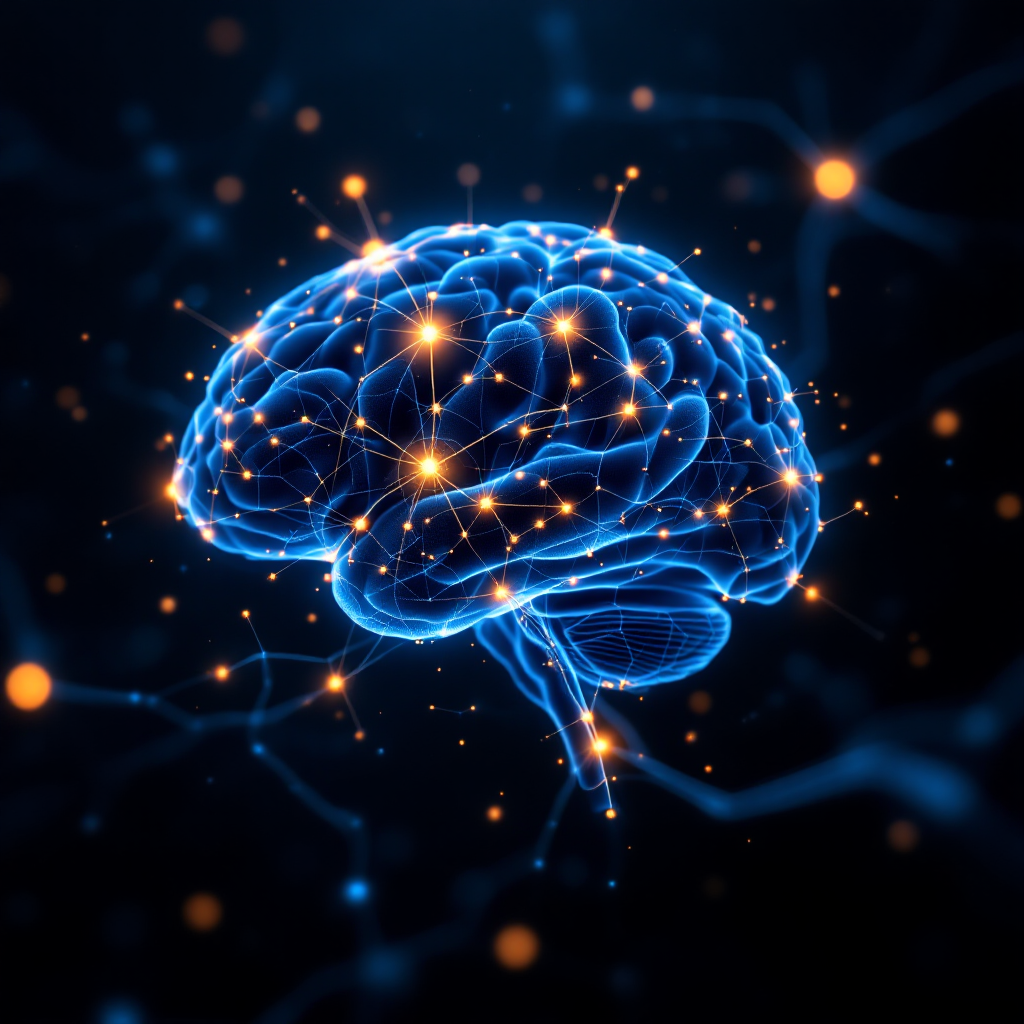
Neural network visualization representing functional brain connectivity

What Are Functional Neurological Disorders?

Functional Neurological Disorders arise from disrupted communication within the brain's functional networks rather than structural damage. Unlike conditions caused by lesions, tumours, or visible anatomical changes, FND involves breakdowns in the dynamic timing, connectivity, and regulation of neural circuits.

This is precisely why these conditions so often evade routine medical testing. Standard imaging — MRIs, CT scans — is designed to detect structural abnormalities. But when the problem lives in how networks interact, synchronize, and self-regulate rather than in visible anatomy, conventional scans come back normal, leaving patients without answers.

FND is real, neurologically grounded, and increasingly well understood. The challenge has been that diagnosis and treatment require tools capable of seeing the brain's functional dynamics — not just its structure.

Clinician reviewing functional brain mapping data

Examples of FND We Treat

Our program addresses a range of functional neurological presentations, each rooted in disrupted network dynamics rather than structural pathology.

Functional Gastrointestinal Disorders

Chronic digestive symptoms driven by dysregulated gut-brain network communication rather than structural GI pathology.

Functional Vestibular Disorders

Persistent postural-perceptual dizziness (PPPD) and related balance disturbances arising from vestibular network dysfunction.

Functional Movement Disorders

Tremor, dystonia, and gait disturbances that originate in motor network dysregulation rather than neurodegenerative disease.

Functional Sensory Symptoms

Numbness, tingling, and visual changes caused by disrupted sensory processing networks in the absence of peripheral nerve damage.

Functional Cognitive Symptoms

Brain fog, dissociation-related cognitive lapses, and long-COVID cognitive difficulties linked to network-level disruption.

Our Approach to FND

Because FND is fundamentally a network-level disorder, it demands a network-level approach. Our two-phase process is designed to first map the specific disruptions, then systematically retrain the circuits involved.

1

Comprehensive Evaluation

We begin with electro-imaging using QEEG and EEG-based network analysis, combined with thorough psychological and neurocognitive testing. This multi-modal assessment identifies the range, severity, and specific neural networks underlying each person's symptoms — providing the diagnostic clarity that standard imaging cannot.

The result is a detailed functional map of your brain's connectivity patterns, revealing precisely where timing, synchronization, or regulation has broken down.

2

Advanced Neurofeedback Treatment

Guided by the evaluation findings, we use advanced multichannel neurofeedback to retrain the interactive brain networks that underlie the disorder. This is not single-site neurofeedback — it targets the dynamic relationships between multiple brain regions simultaneously.

The goal is to restore the self-regulation capacity of disrupted circuits, reducing symptoms by addressing their neurological source rather than managing them at the surface level.

Why a network-level approach matters: Conventional treatments often target individual symptoms in isolation. Because FND arises from the way networks interact — not from a single site of damage — effective treatment must work at the same level as the disorder itself. Our multichannel neurofeedback protocol is designed to do exactly that.
Diverse patients in a welcoming clinical environment

Who This Program Helps

Functional neurological symptoms are increasingly recognized across a wide range of populations. They are particularly prevalent among people recovering from concussion and traumatic brain injury, those experiencing persistent symptoms following long-COVID, and individuals with significant stress or trauma exposure.

This is especially relevant to Kingston's significant CFB Kingston military and veteran community, as well as first responders and correctional services workers, who often experience functional neurological symptoms connected to occupational stress or injury. These populations frequently present with symptoms that standard medical workups cannot explain — precisely the kind of network-level disruption our program is designed to identify and treat.

Our program serves anyone experiencing functional neurological symptoms, regardless of background. Whether your symptoms emerged after an injury, an illness, prolonged stress, or without a clear precipitant, the same evidence-based assessment and treatment approach applies.

Available at Both Locations

Our FND specialty program is offered at both our Kingston and Toronto offices, with Kingston serving as the primary clinical hub for this program.

Kingston

Primary location for the FND program, serving the Kingston, CFB Kingston, and broader Eastern Ontario community.

Kingston Location →

Toronto

Full FND assessment and treatment services also available at our Toronto office.

Toronto Location →

Book Your Consultation

Ready to get answers? Reach out to schedule an initial consultation for our FND assessment and treatment program. We're here to help you understand your symptoms and chart a path forward.